We may earn a commission from purchases through links in this article, at no extra cost to you. How we earn
Critical Safety & Optical Baseline Notice
Open-frame diode lasers operate in the 450nm blue spectrum and represent direct Class 4 radiation hazards capable of causing permanent retinal damage and severe skin burns from direct or scattered reflections. Safe workshop deployment requires certified optical density (OD4+ at 445–455nm) eye protection, dedicated active exhaust ventilation for toxic fumes, and fire suppression redundancy. All evaluations below derive strictly from cross-referencing vendor datasheets and mechanical specifications; no hands-on physical laboratory power testing was performed.
Desktop laser cutters marketed as "20W" occupy a highly contested space in cross-border retail. Buyers seeking substantial penetration depth for plywood and dense crafting materials frequently encounter listings that blur the critical distinction between raw electrical power draw (often advertised anywhere from 40W to 80W) and actual optical radiant flux emitted at the focal point. Sifting through datasheets reveals that assembling a capable, reliable cutting setup on a budget requires balancing laser module output, gantry stability, optical maintenance, and safety-critical workspace accessories.
Deconstructing the Dual-Wattage Divergence
The most pervasive pitfall when buying budget diode equipment is conflating machine electrical consumption with optical cutting capacity. A listing advertising "80W" frequently refers to the total DC power drawn by the motherboard, stepper motors, internal cooling fans, and diode package combined. True 20W optical output typically requires combining multiple beam paths through polarization prisms and mirrors inside the module housing.
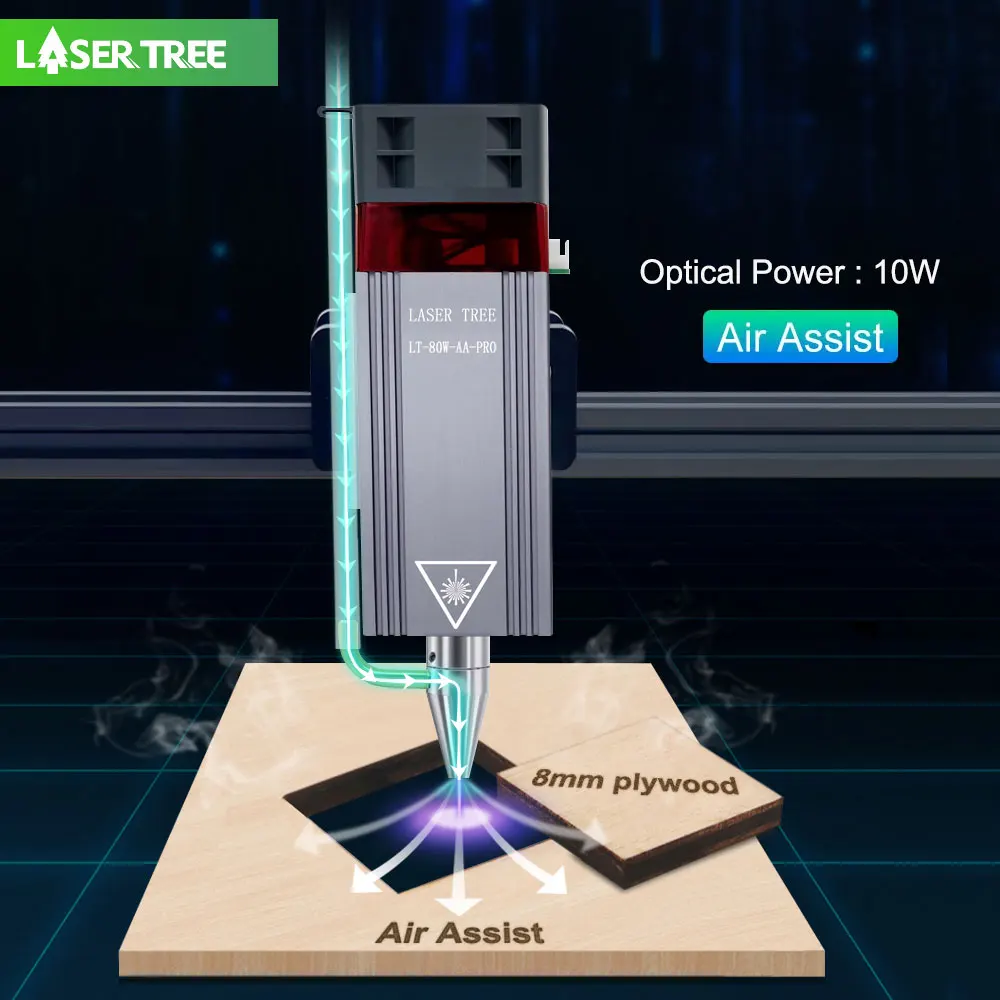
For standalone module upgrades or custom CNC frames, the LASER TREE 20W/40W/80W Module series illustrates this multi-tier naming convention. Sellers categorize these 450nm blue laser heads by input and output groupings for woodworking and DIY machine retrofits (reference pricing around $30.66 USD across various configurations). When shopping for modular heads, buyers must explicitly check the actual optical rating in the product sub-tier rather than trusting the top-level headline wattage.
Budget Entry Units: 6W to 12W Realities vs Production 20W Needs
True 20W optical systems demand substantial capital and robust structural gantries. Consequently, buyers with constrained budgets frequently face a decision: invest in entry-tier complete systems rated at 6W to 12W optical power, or assemble modular components.
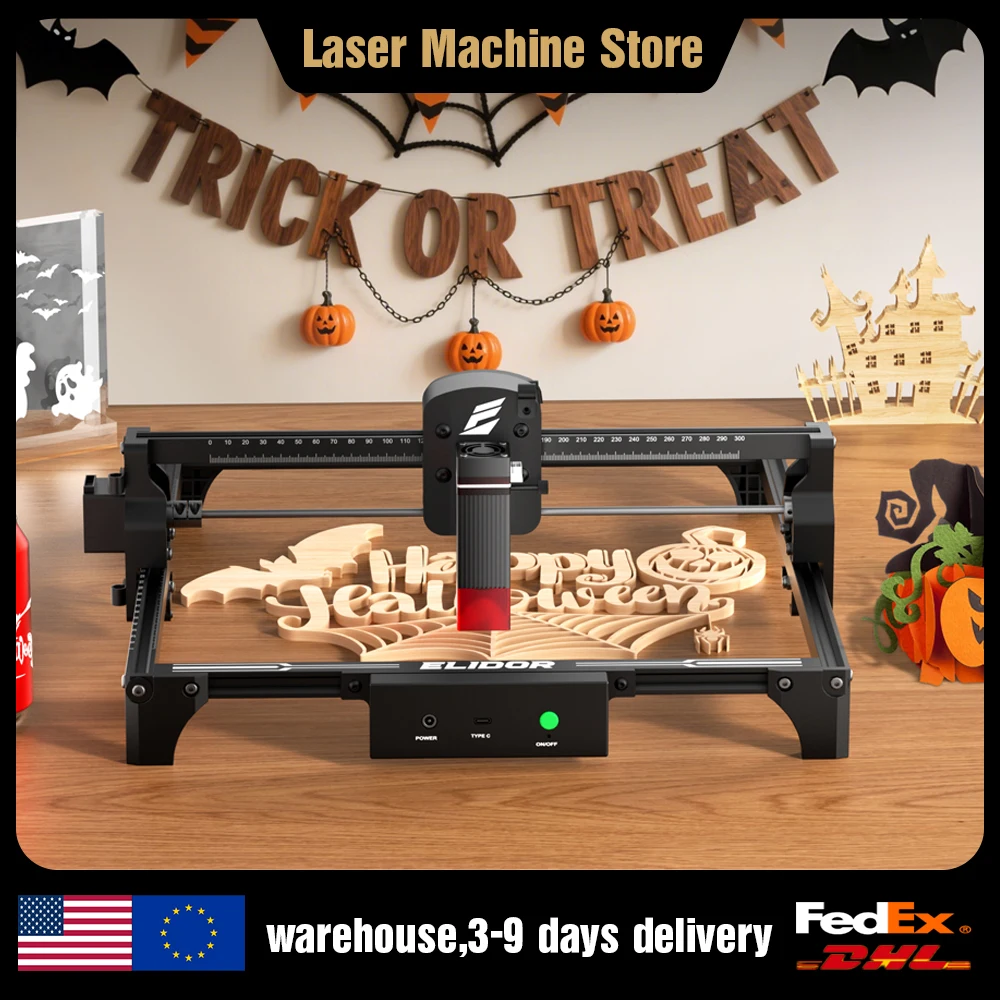
The ELIDOR Z6 6W/12W CNC Diode Machine presents a 300x300mm working area configured for beginners working with plywood, acrylic marking, and light woodworking (available around $120.66 USD reference). Its sibling configuration, the dedicated ELIDOR Z6 6W Laser Engraver ($117.60 USD reference), focuses strictly on thin material marking, dark acrylic surface engraving, and light crafting passes.
While a 6W or 12W diode can manage multi-pass cuts through thin basswood, it lacks the radiant flux density required for single-pass, clean-edge cutting on thicker dense stock. Buyers expecting true 20W throughput from entry-tier chassis will experience significantly slower feed rates, increased edge charring, and deeper heat-affected zones.

Thermal Management and Essential Cutting Infrastructure
Optical power is only half the equation; beam geometry and heat evacuation determine cut quality. As diode modules scale in power, lens cleanliness becomes a primary point of failure. Smoked wood resin condensing on an unshielded protective lens will absorb blue laser energy, causing rapid thermal cracking.
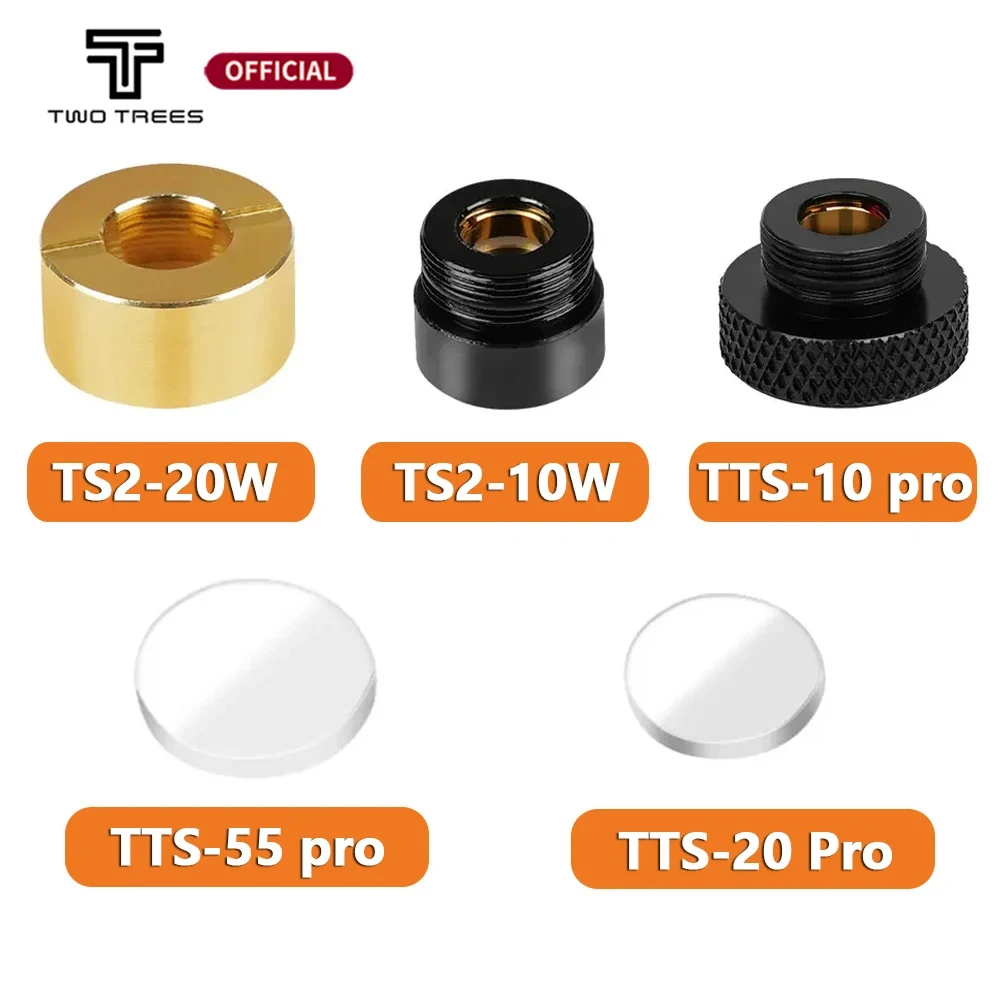
For machines running high-output heads (such as the Twotrees TTS-20 PRO and TS2-20W series), optical maintenance requires consumable replacements. The Twotrees Replacement Lens for TTS/TS2 Series ($5.89 USD reference) represents the standard protective window design needed to maintain beam transmission efficiency and prevent permanent diode package damage.
Simultaneously, cutting through organic substrates produces underside charring and fire risks if the workpiece rests directly on a solid metal base. The ACMER Laser Cutting Honeycomb Working Table (available in configurations spanning 300x300mm to 440x440x22mm, referenced around $26.33 USD) provides the necessary open airflow beneath the focal line, allowing smoke evacuation and reducing rear flash burns on thin plywood and sheet acrylic.

Decision Matrix: Aligning Machine Class to Workflow
| Component / Machine | Target Use Case | Verified Spec Focus | Primary Constraint |
|---|---|---|---|
| ELIDOR Z6 (6W / 12W) | Entry engraving, light thin-wood cutting | 300x300mm envelope, integrated frame | Requires multiple slow passes for cuts |
| LASER TREE 450nm Head | CNC gantry upgrade / modular replacement | Dedicated 450nm module, multi-wattage tiers | Requires user wiring & power supply matching |
| Twotrees Lens Kit | Preventative maintenance on 20W-class heads | Direct fit for TTS-20 PRO / TS2-20W optics | Consumable; requires regular inspection |
| ACMER Honeycomb Bed | Char reduction & back-reflection safety | 22mm depth profile, multi-size layouts | Must be paired with a metal base protector |
Summary Buying Advice
Navigating the budget diode market requires looking past total advertised wattage figures and isolating the true optical output required for your material thickness. If your projects involve deep, single-pass cutting, ensure the laser module explicitly specifies true multi-diode optical power and verify that replacement optical windows are accessible. If your budget leads you toward entry-level units such as the 6W–12W category, plan your cutting workflows around multi-pass jobs, add an elevated honeycomb bed to manage heat and smoke, and never operate any open-frame Class 4 laser without certified OD4+ optical shielding and dedicated exhaust airflow.